Failles
Laetitia Gessler
With Failles, Laetitia Gessler undertakes an artistic gesture rooted in the experience of long COVID and in the systemic forms of violence that affect bodies deemed “unproductive,” slowed down, weakened, and rendered invisible. The project situates itself at the heart of contemporary debates on vulnerability and care, understood not as individualshortcomings but as shared, structural conditions.
Over nearly three years—one and a half years of almost complete incapacity, followed by a long convalescence marked by extreme fatigue, dizziness, diffuse pain, and neurological disorders—the artist was confronted with a form of inner confinement that extended and displaced the lockdown experienced collectively. This condition imposes an altered, fragmented temporality in which recovery remains uncertain and every movement, every sensation, becomes an event. Against the medical and social pressure to return quickly to performance and efficiency, Failles asserts an aesthetic of slowness, attentiveness, and resistance.
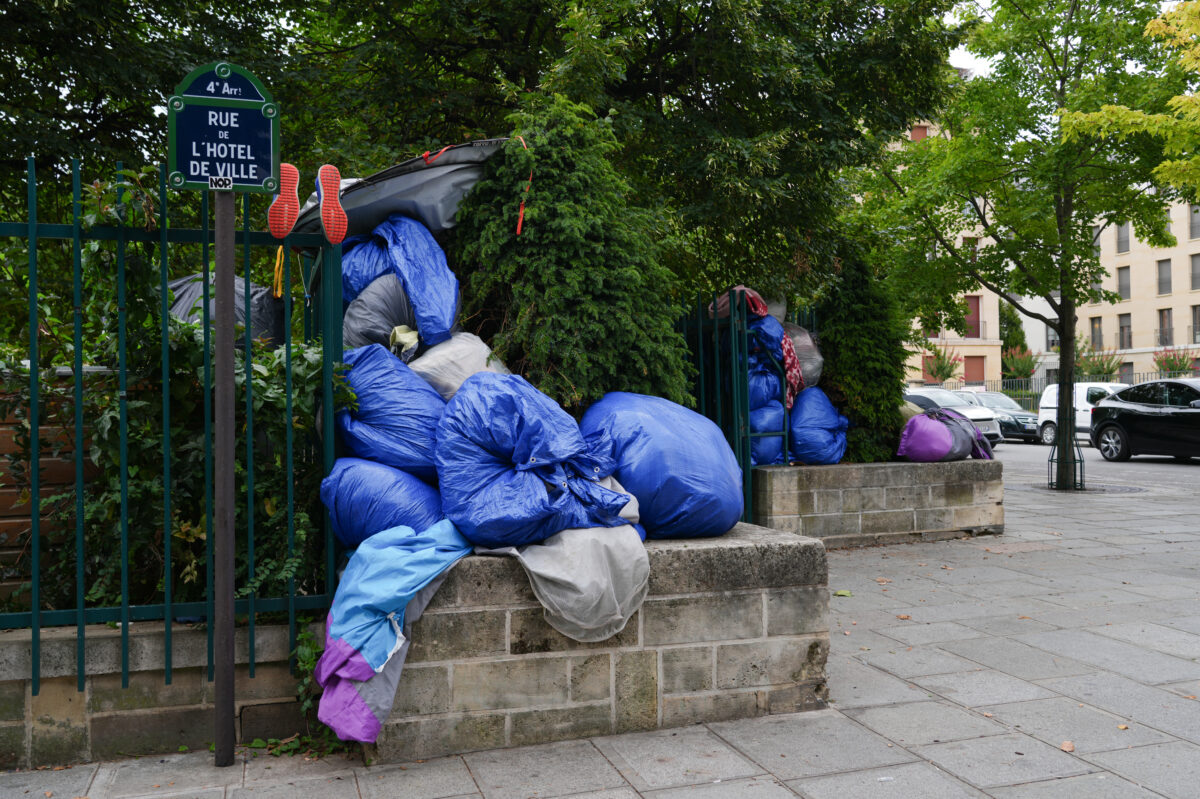
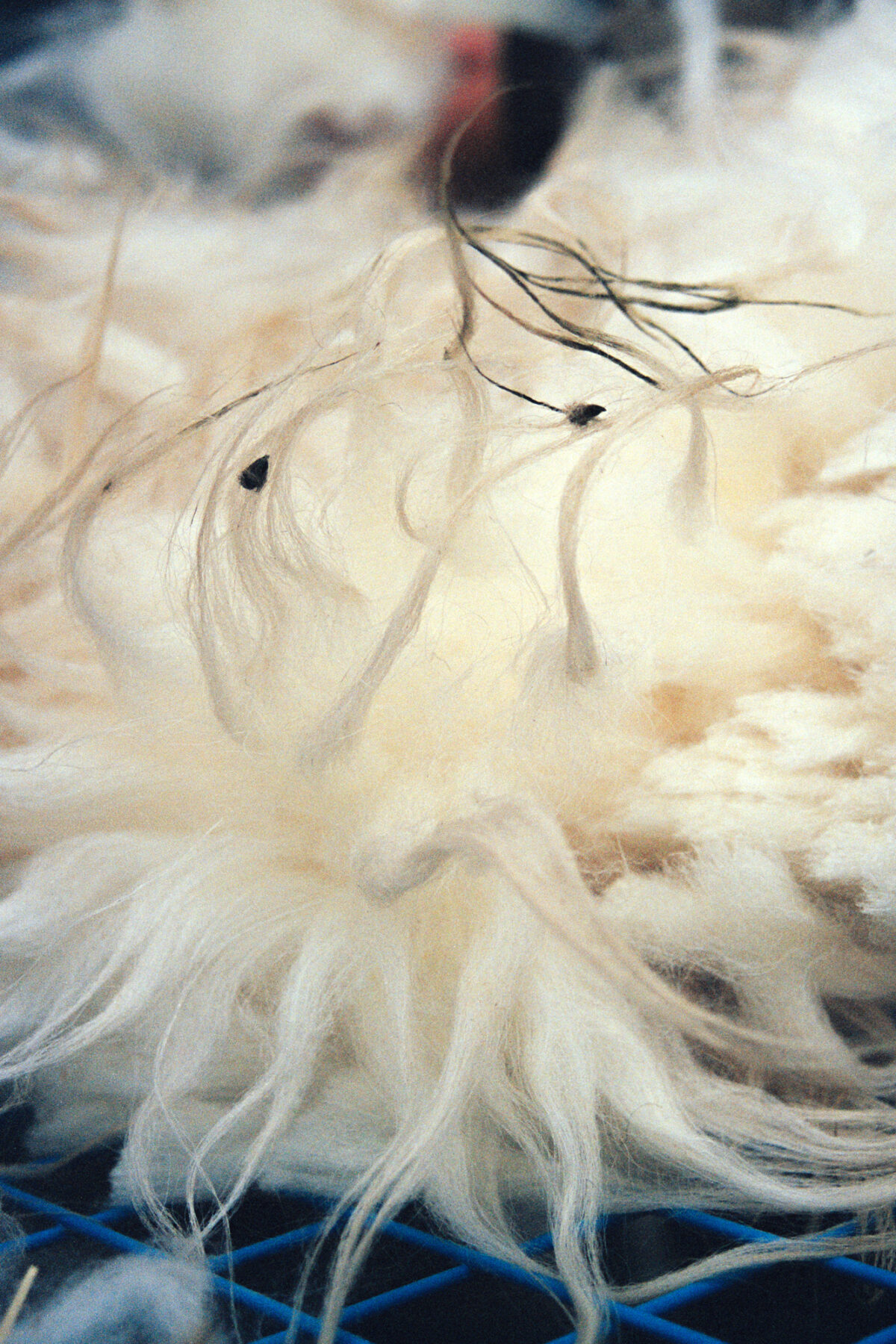
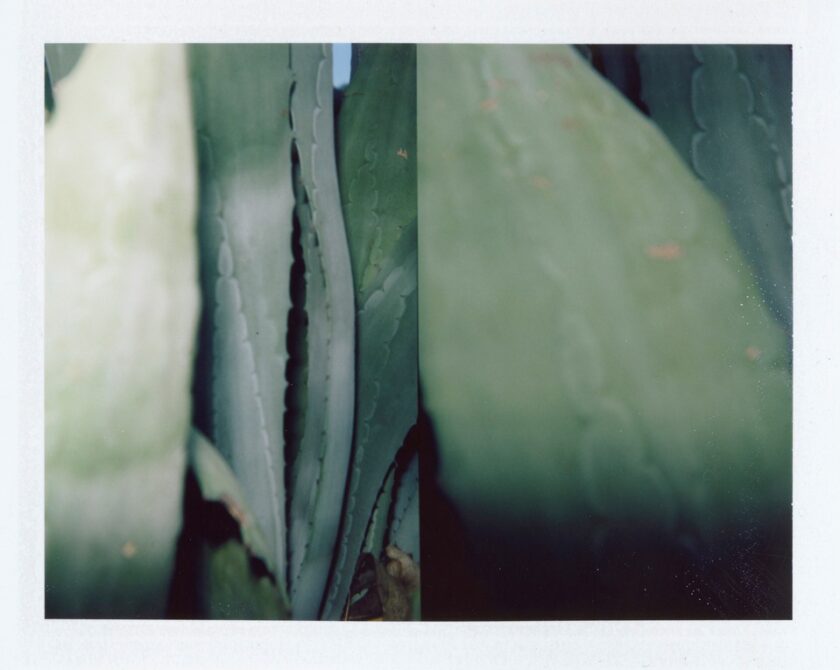
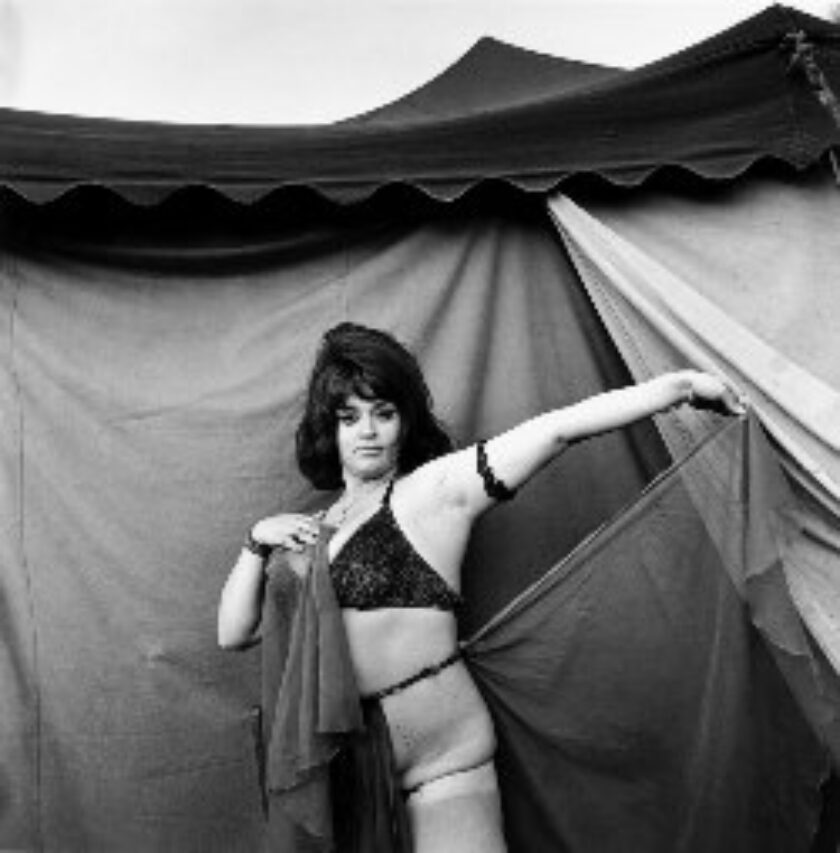
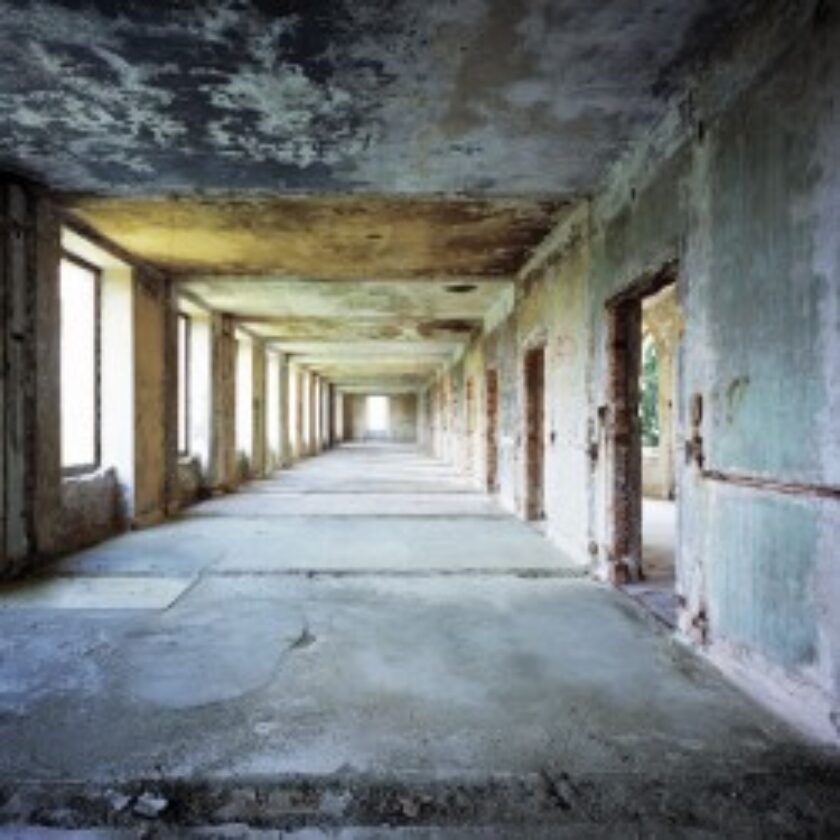
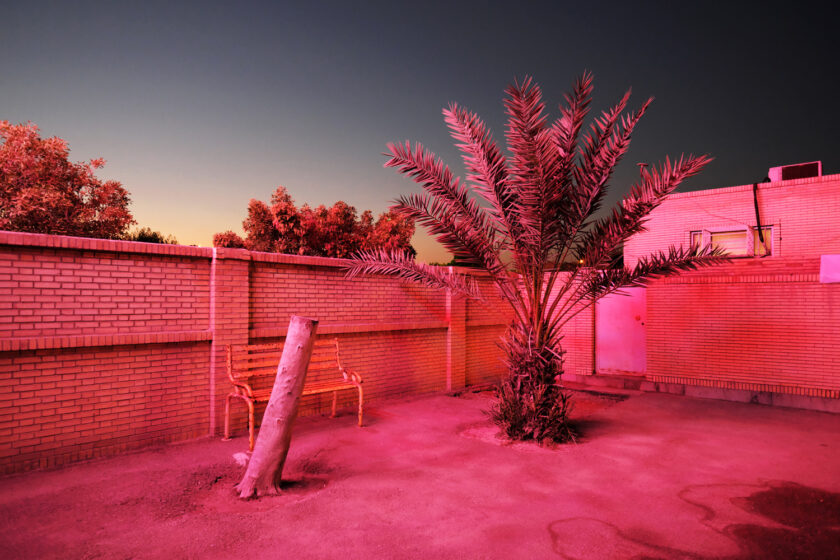
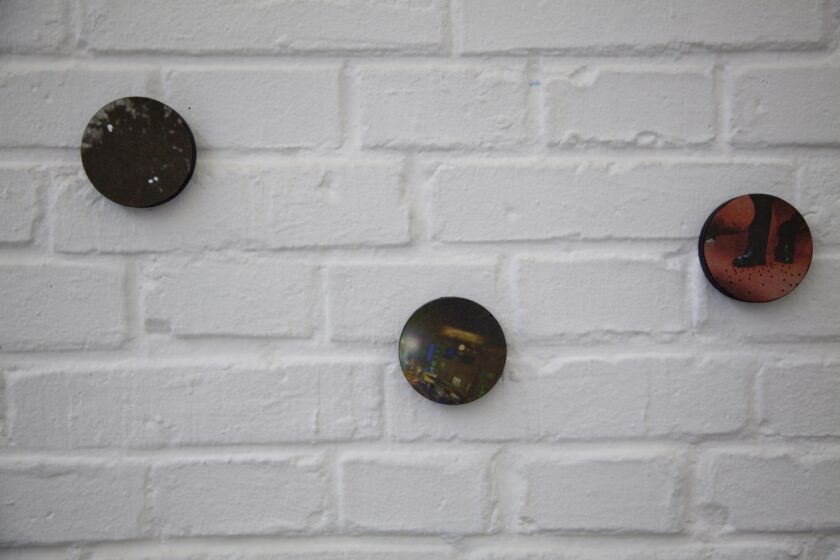
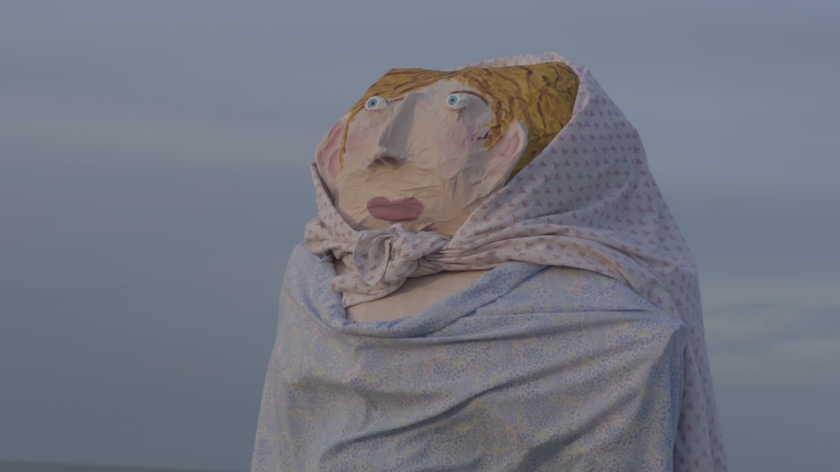
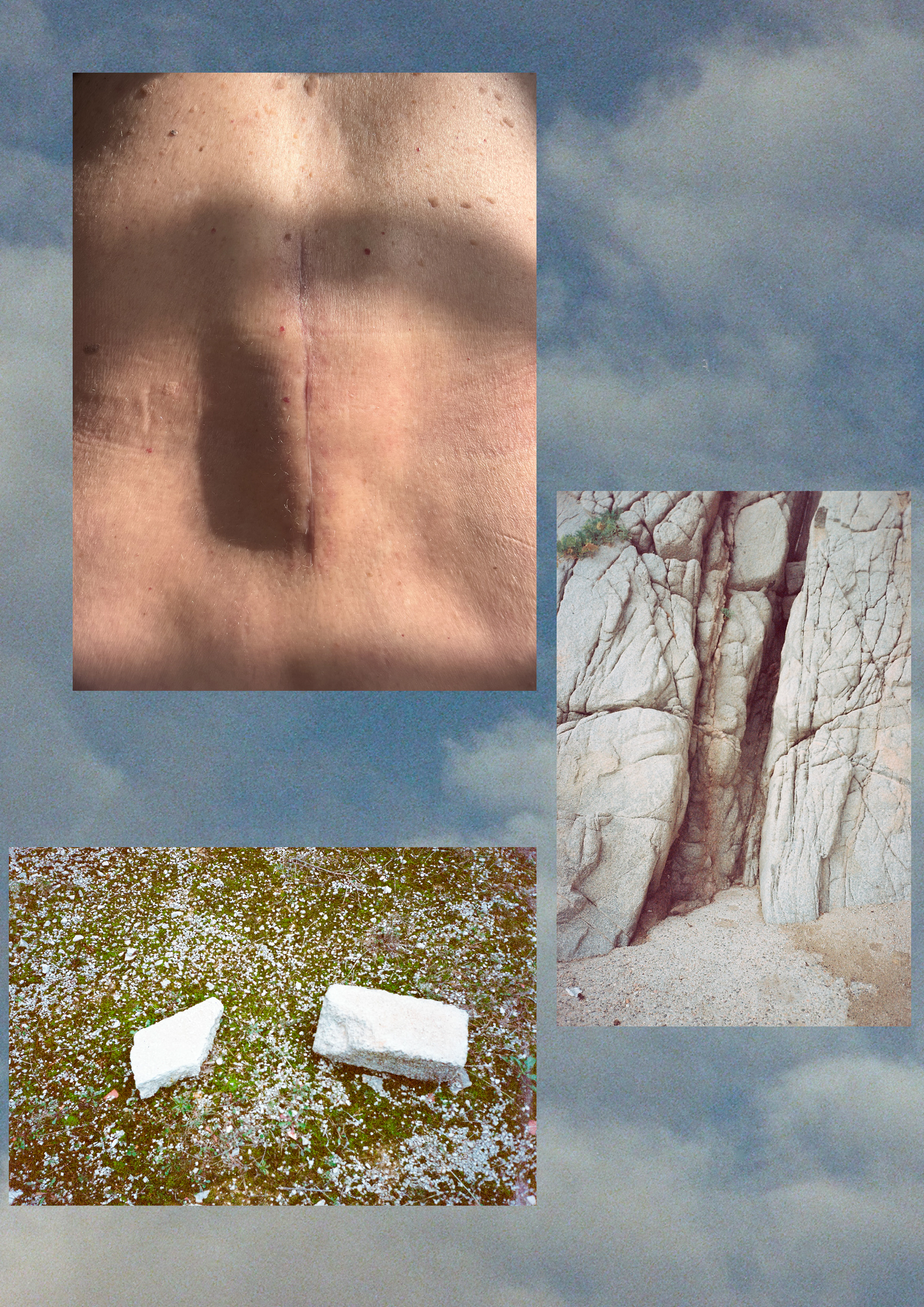
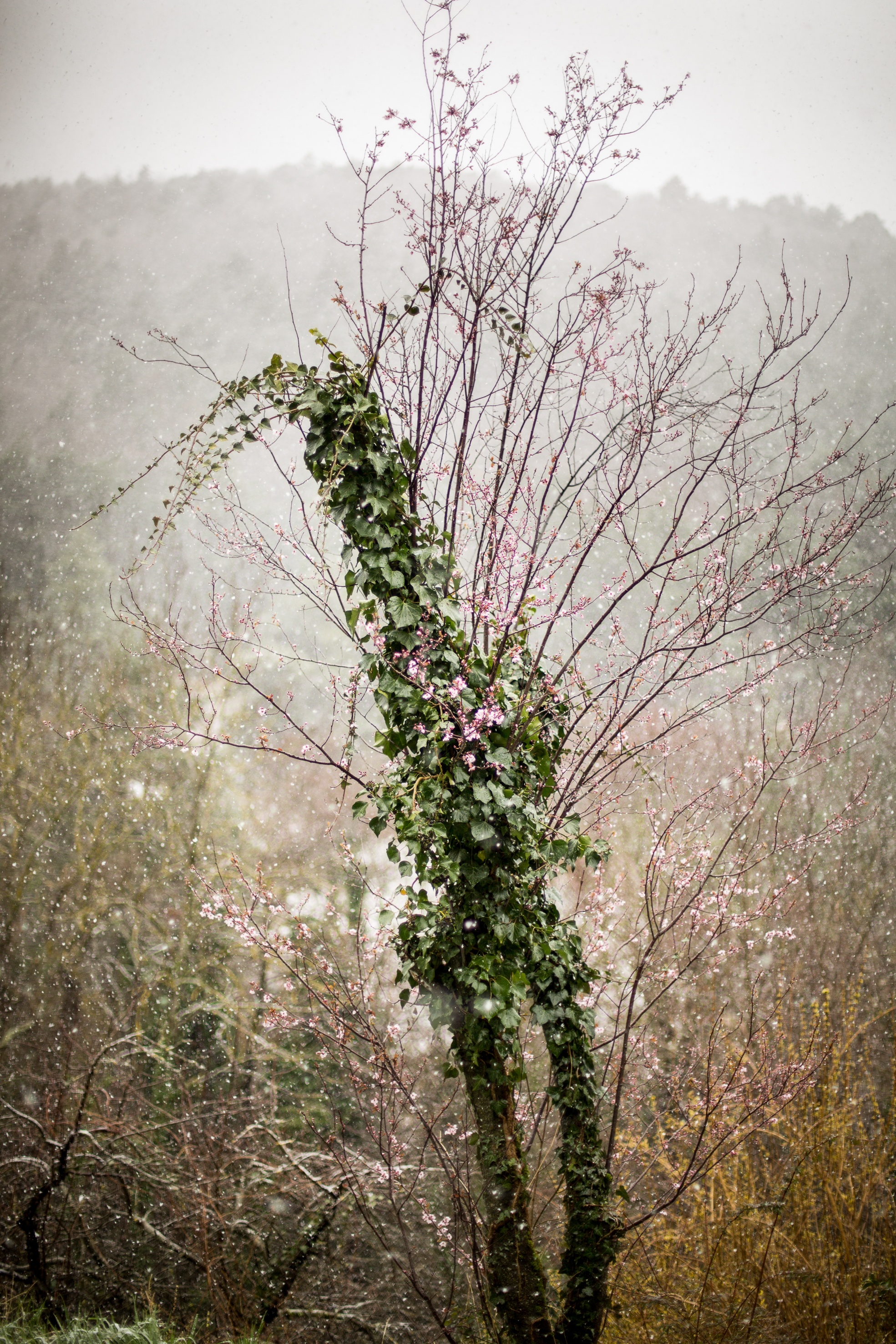
Within this suspended space, the project unfolds a fragile and permeable iconography: vulnerable portraits, fragments of landscape, surfaces of skin, veins, veils. Rather than illustrating illness, the images seek to convey its diffuse effects, its perceptual thresholds, its states of in-betweenness. Photography becomes a porous space—a site of visual listening—where the image suggests more than it shows, allowing bodily experience to surface in all its complexity.
Beyond personal testimony, Failles exposes a persistent structural issue: the medical system’s difficulty in recognizing and taking invisible illnesses seriously, particularly when they affect women. Like many patients living with chronic conditions, the artist experienced diagnostic wandering, a lack of attentive listening, and the necessity of becoming the expert of her own illness. Long COVID functions here as a revealer of older biases, in which women’s pain has historically been minimized, psychologized, or disqualified. The project thus directly questions the hierarchy of lives: which bodies are deemed credible, worthy of care, of support ? Which rhythms are considered acceptable ? By affirming the vulnerable body as a site of knowledge and resistance, Laetitia Gessler overturns the dominant narrative. Fragility is no longer a failure but a subversive force. The image becomes a tool of reappropriation—an act of disobedience in the face of productivist and ableist logics that organize our societies.
By inscribing invisible illnesses within an aesthetic of care, Failles participates in a contemporary struggle for the recognition of exhausted, slow, and non-conforming bodies, and for a reconfiguration of our relationship to time, work, and normativity. The work calls for a radical transformation of perception: learning to see differently, to listen differently, to believe bodies. Failles thus affirms that care is not a moral supplement but a site of struggle—a space of claim-making, visibility, and collective reconstruction—where vulnerability becomes a locus of transformation, justice, and repair.
Year of production: 2025

Juraplatz
Juraplatz, Kunstraum
2502 Biel/Bienne