The Caspian Lake, for Those Who Remain
Khashayar Javanmardi
For centuries, it has been called the Caspian Sea. Yet this single word — “sea” — has profoundly shaped its fate and hastened its decline. Under international maritime law, this misleading designation has allowed the surrounding nations to exploit its waters as if they belonged to an open sea: drilling, polluting, and overfishing with minimal ecologicalaccountability. In reality, the Caspian is a landlocked lake, a fragile and self-contained ecosystem with no natural outlet. Its survival now depends on our ability to recognize — and protect — it as such.
Scientific studies from NASA and independent environmental researchers warn that, within the coming decades, the Caspian could lose up to twenty meters of water depth. Such a collapse would devastate coastal communities, fisheries, and wetlands, triggering one of the most severe ecological disasters of our time and threatening the livelihoods of millions across five countries.
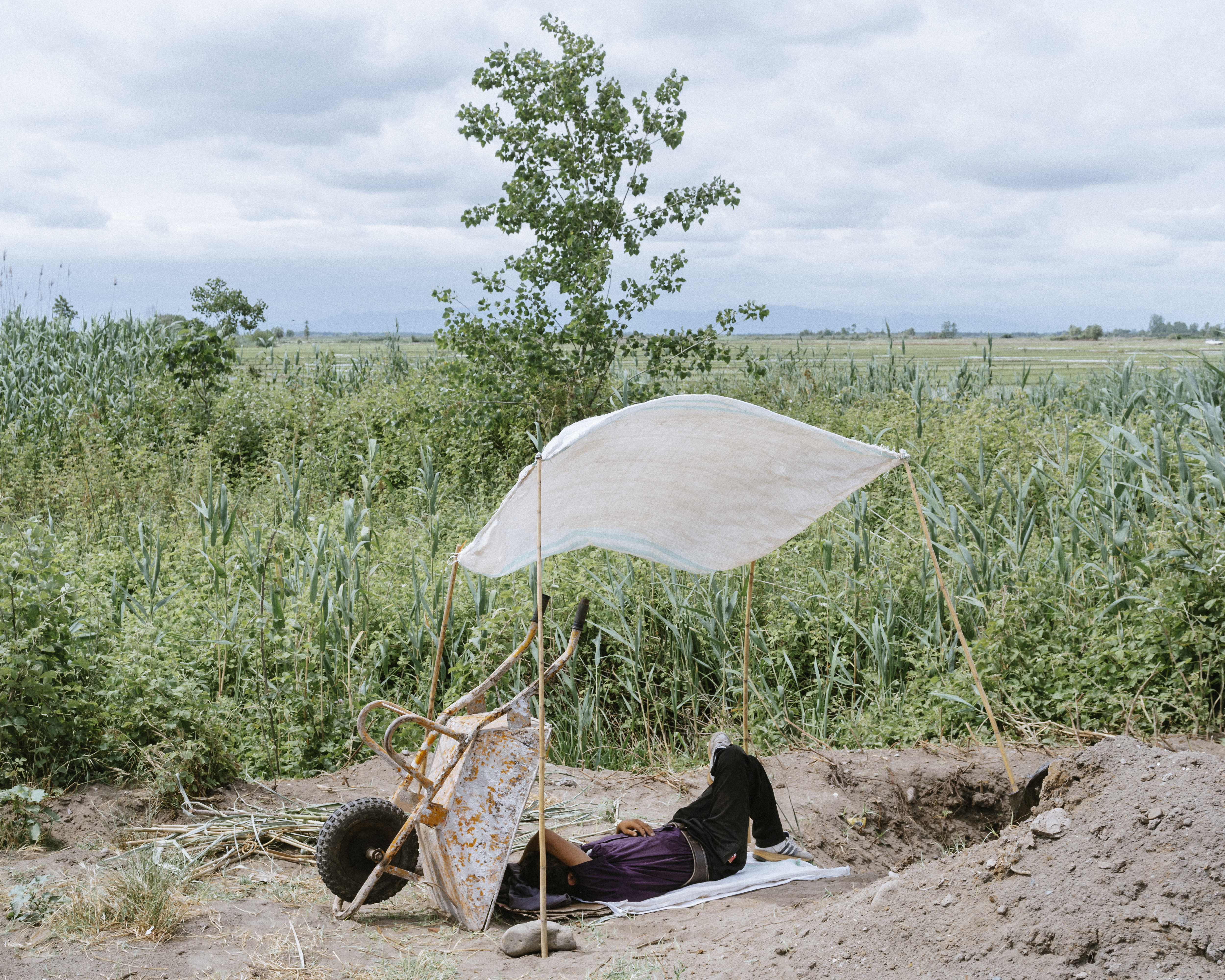
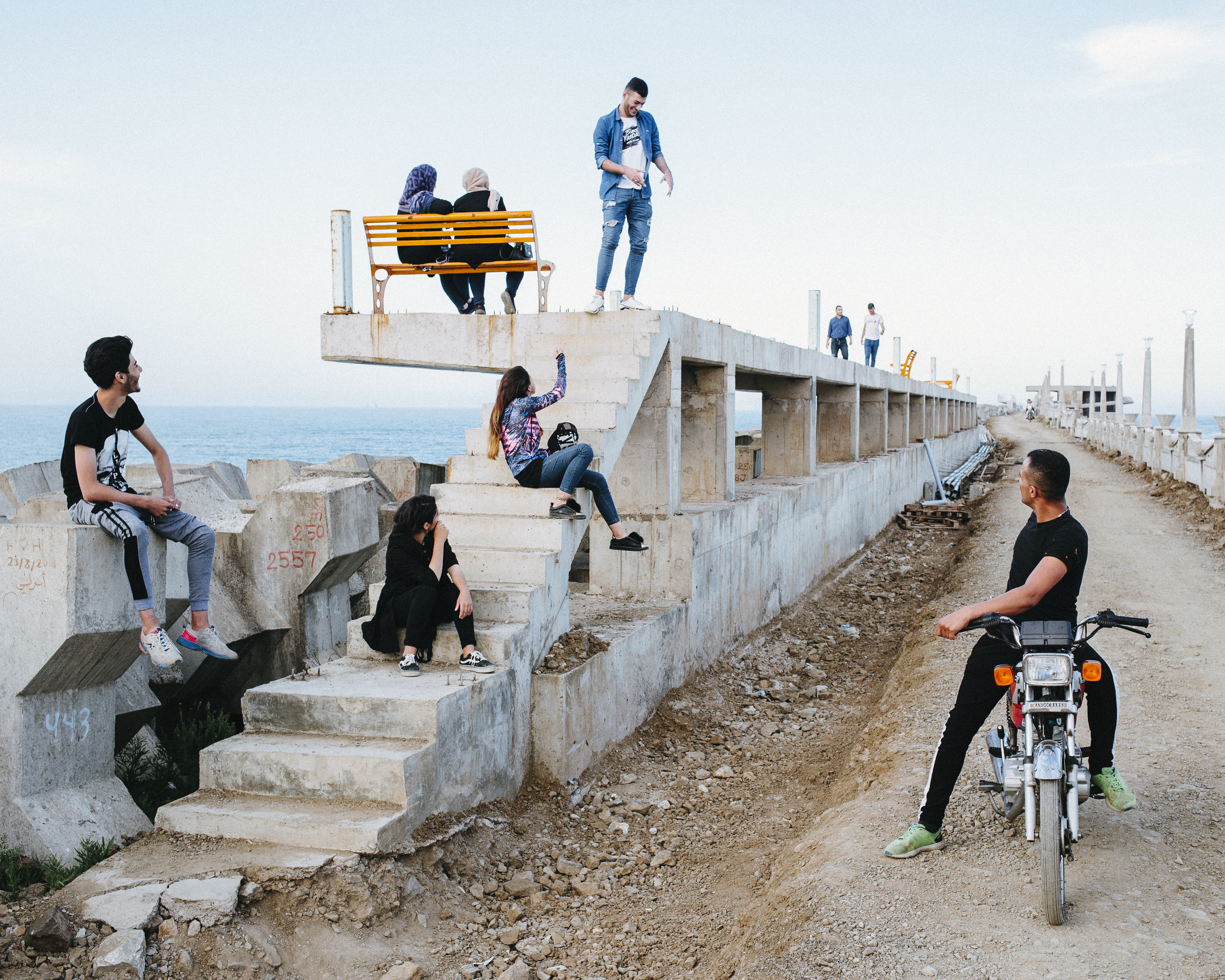
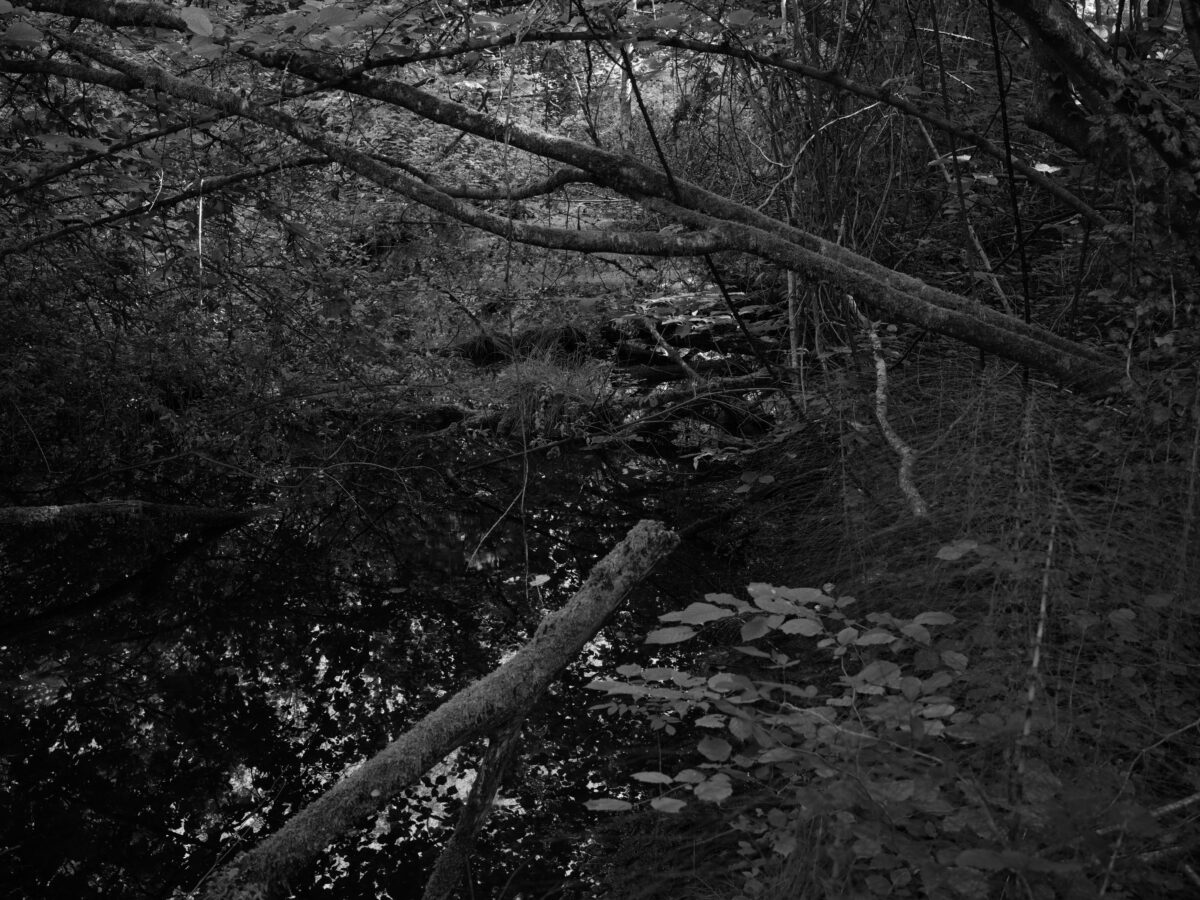
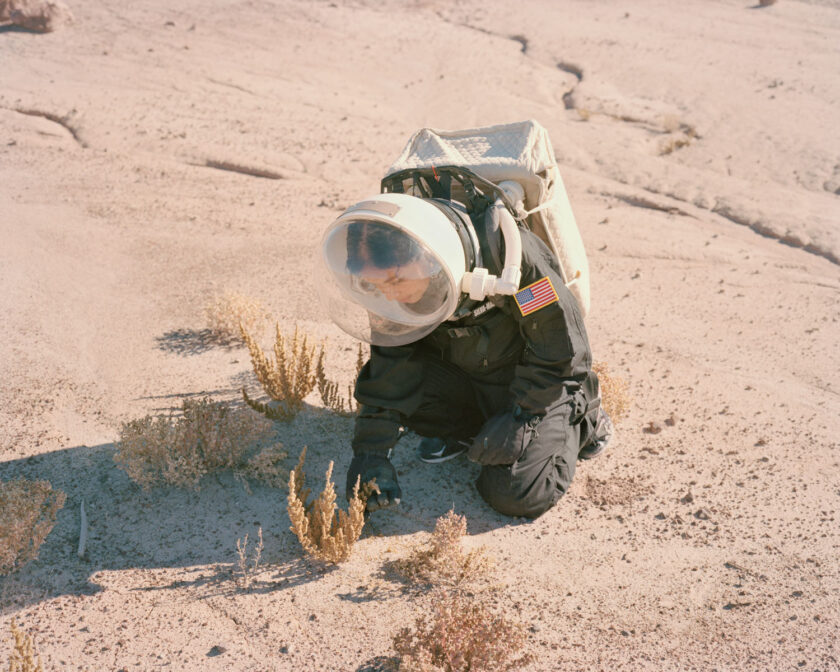
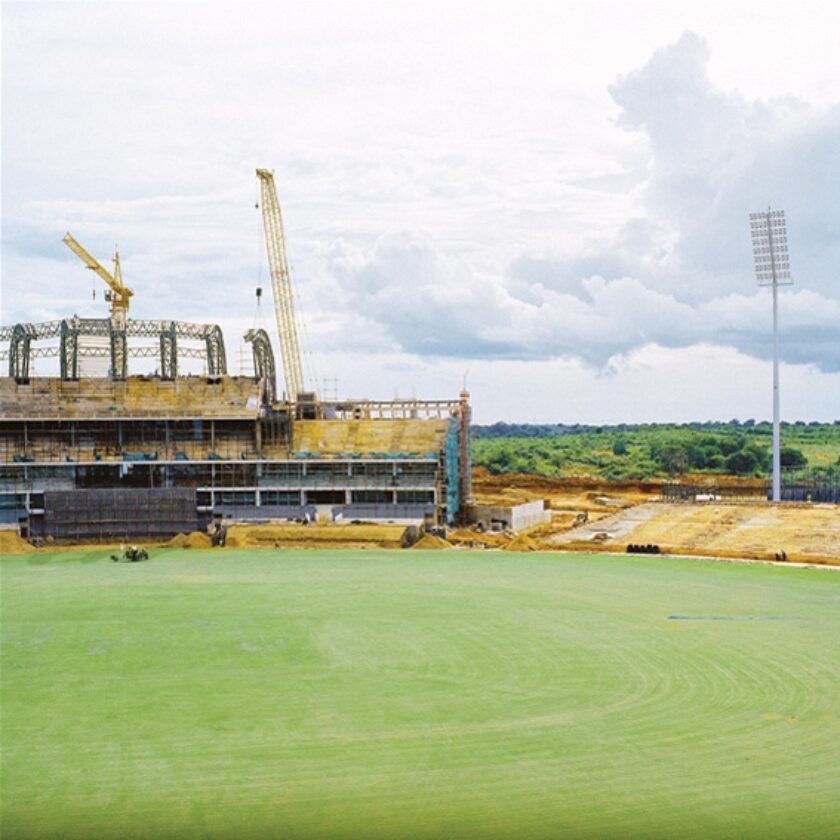
Photographer Khashayar Javanmardi, who grew up along the southern shores of the Caspian and now lives in Switzerland, has dedicated his life’s work to this threatened body of water. His long-term project, Caspian, does more than document an unfolding environmental catastrophe: it seeks to transform perception and policy. Central to the project is a call to rename the Caspian from “Sea” to “Lake” — a linguistic, legal, and symbolic intervention intended to compel surrounding nations to adopt international lake regulations grounded in shared responsibility and ecological restraint.
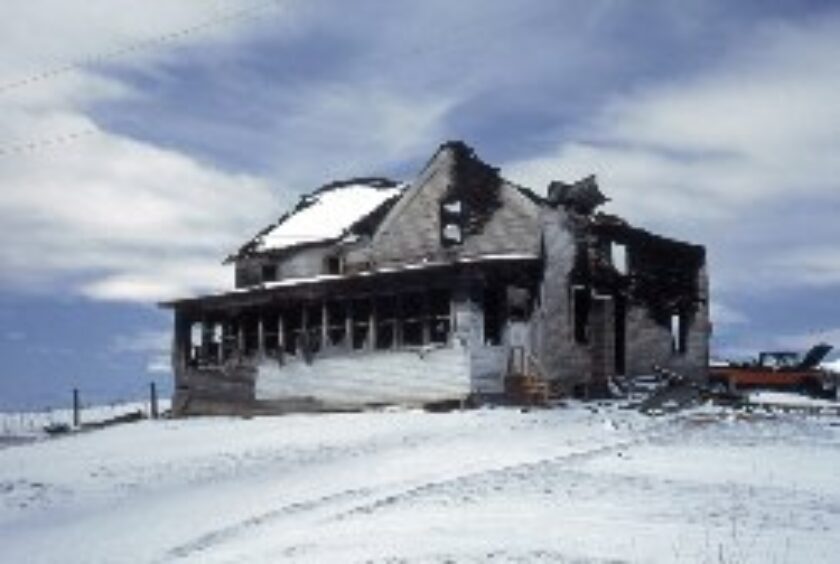
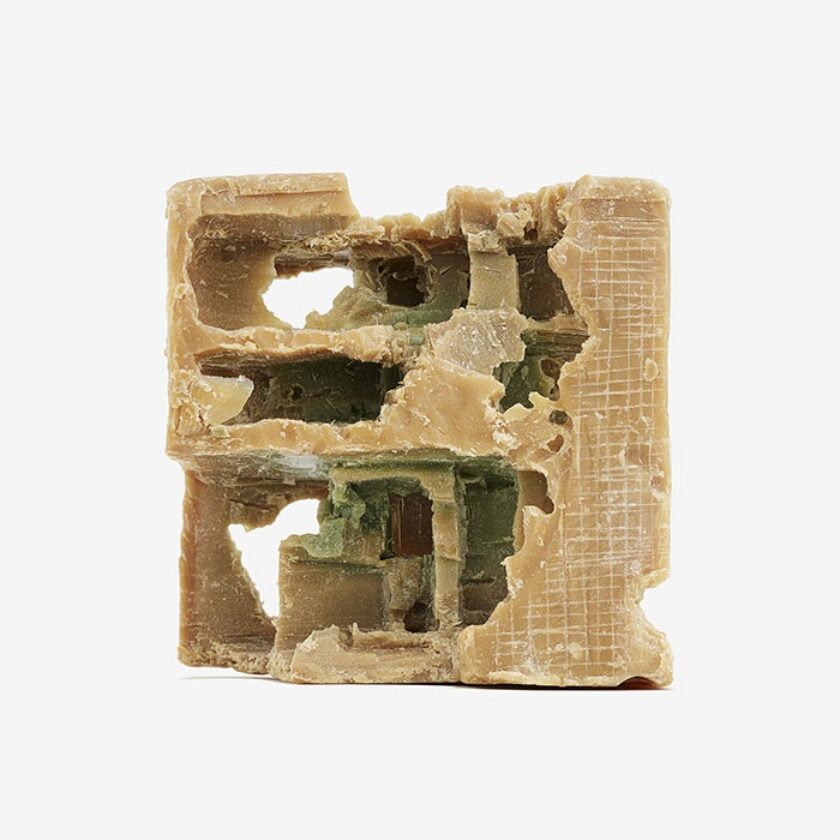
The project unfolds in four chapters — Southern, Western, Northern, and Eastern Reflections — tracing the lives, cultures, and ecological realities along the lake’s perimeter. The first chapter, Caspian: A Southern Reflection, published in 2024 by the independent publisher Loose Joints, received international recognition for its poetic yet urgent portrayal of the human bond with an endangered ecosystem. Now entering its second phase, Western Reflection, Khashayar Javanmardi continues his journey, documenting how receding waters and shifting political and ecological borders are reshaping both landscapes and lives. In the years ahead, the project will complete a full circuit around the Caspian, forming an extensive visual and cultural archive — a testament to loss, resistance, and resilience.
Javanmardi’s position is both that of witness and advocate. His work gives voice to a threatened homeland and confronts global indifference, insisting that the Caspian be understood not as an expendable sea, but as a finite and vulnerable living system — one whose future depends on collective responsibility and urgent care.
At a time when Iran is experiencing significant tensions, this work is a clear tribute and gesture of solidarity towards the Iranian people.
Year of production: 2014-Ongoing
With the support of: Ville de Lausanne, Canton de Vaud
Watch the video interview with Khashayar Javanmardi on our YouTube channel.