Tomato Travels
Daniel Rihs
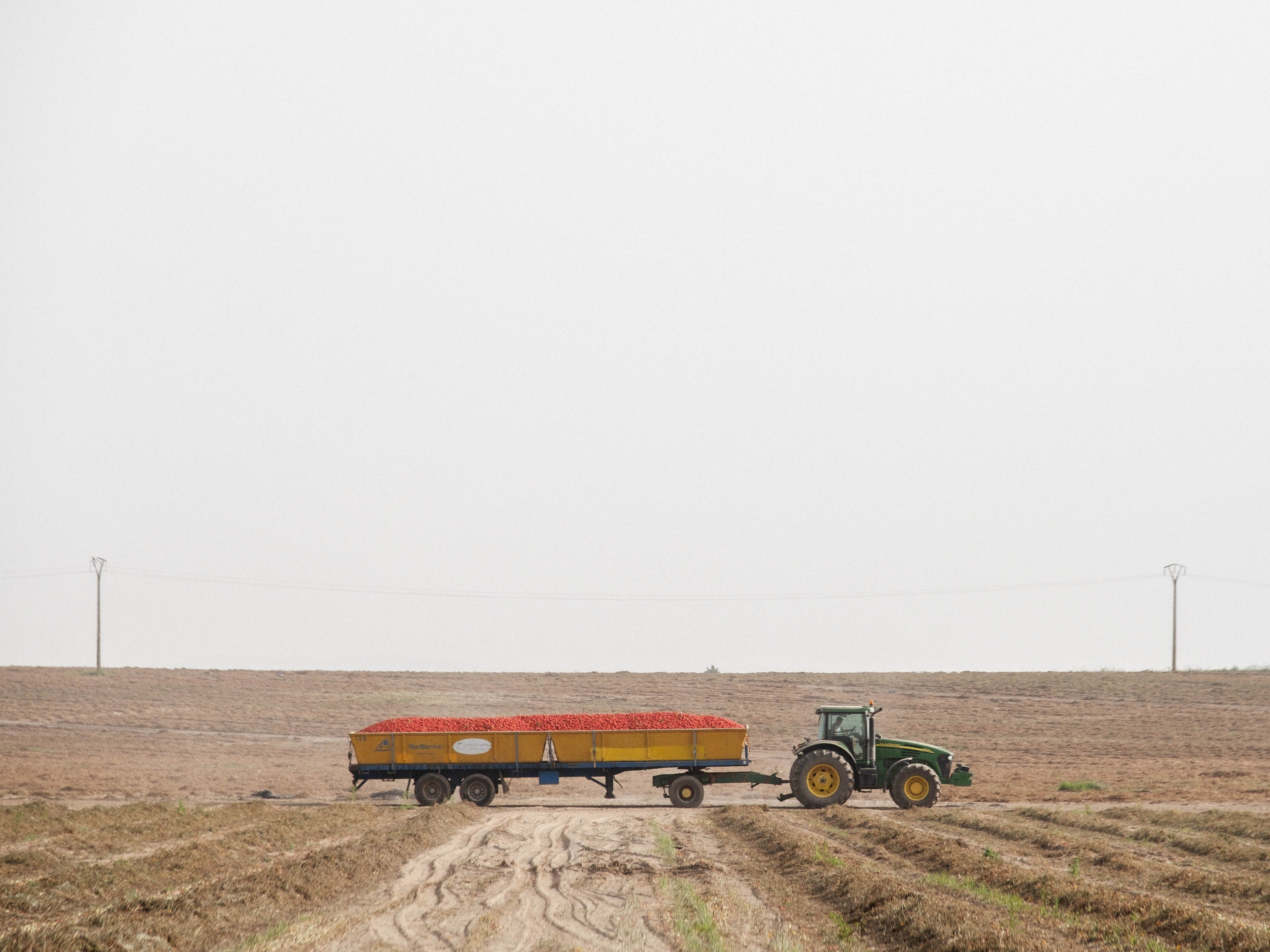
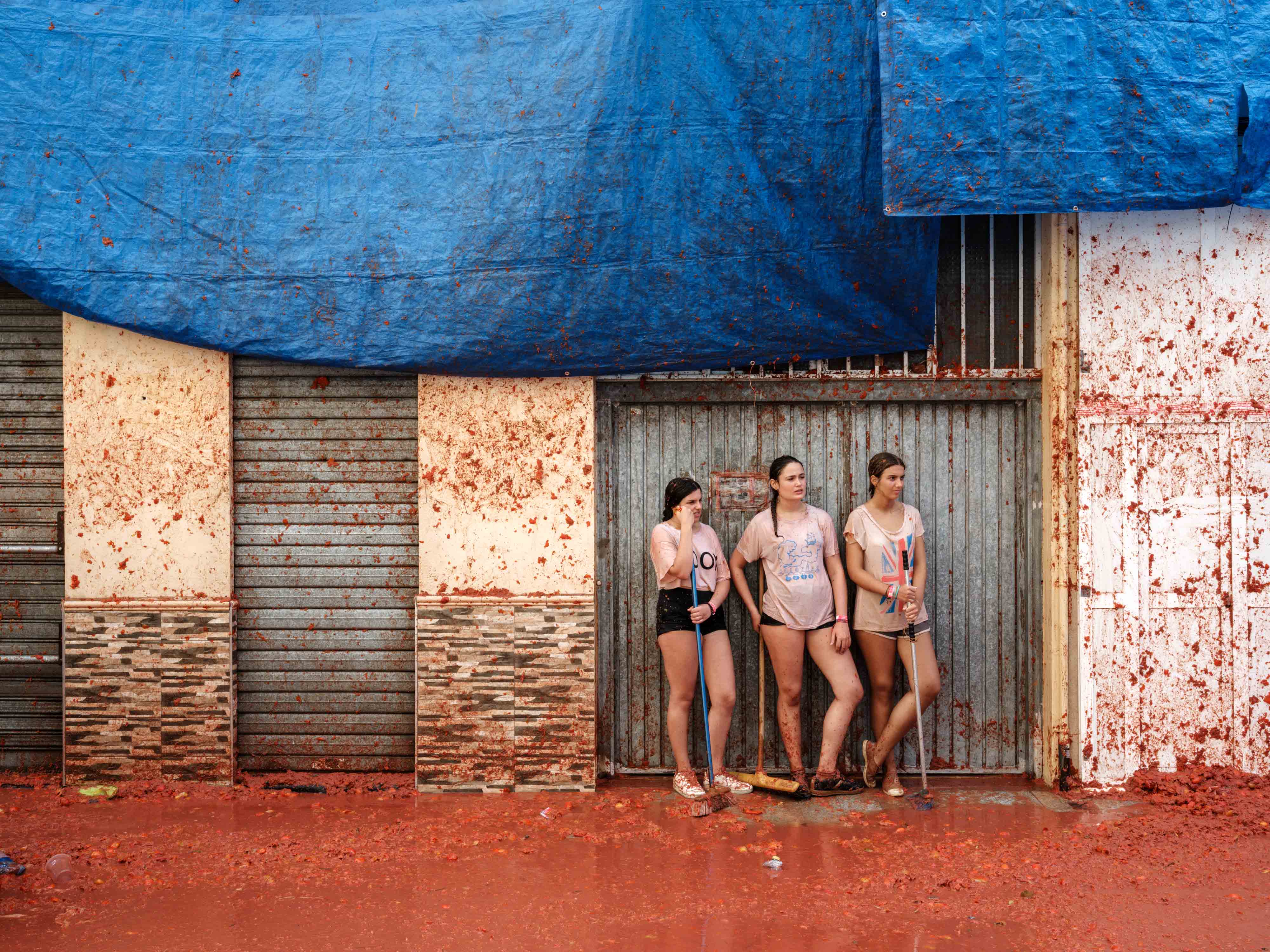
It is difficult to imagine a world without the tomato. Often just a side ingredient, it is nevertheless the hidden star of our plates. No other vegetable is cultivated and traded more widely worldwide. It is at once a food, a design object, and a cultural product. Its production and supply chain runs through the major issues of our time: the climate crisis, globalization, migration, and poverty.
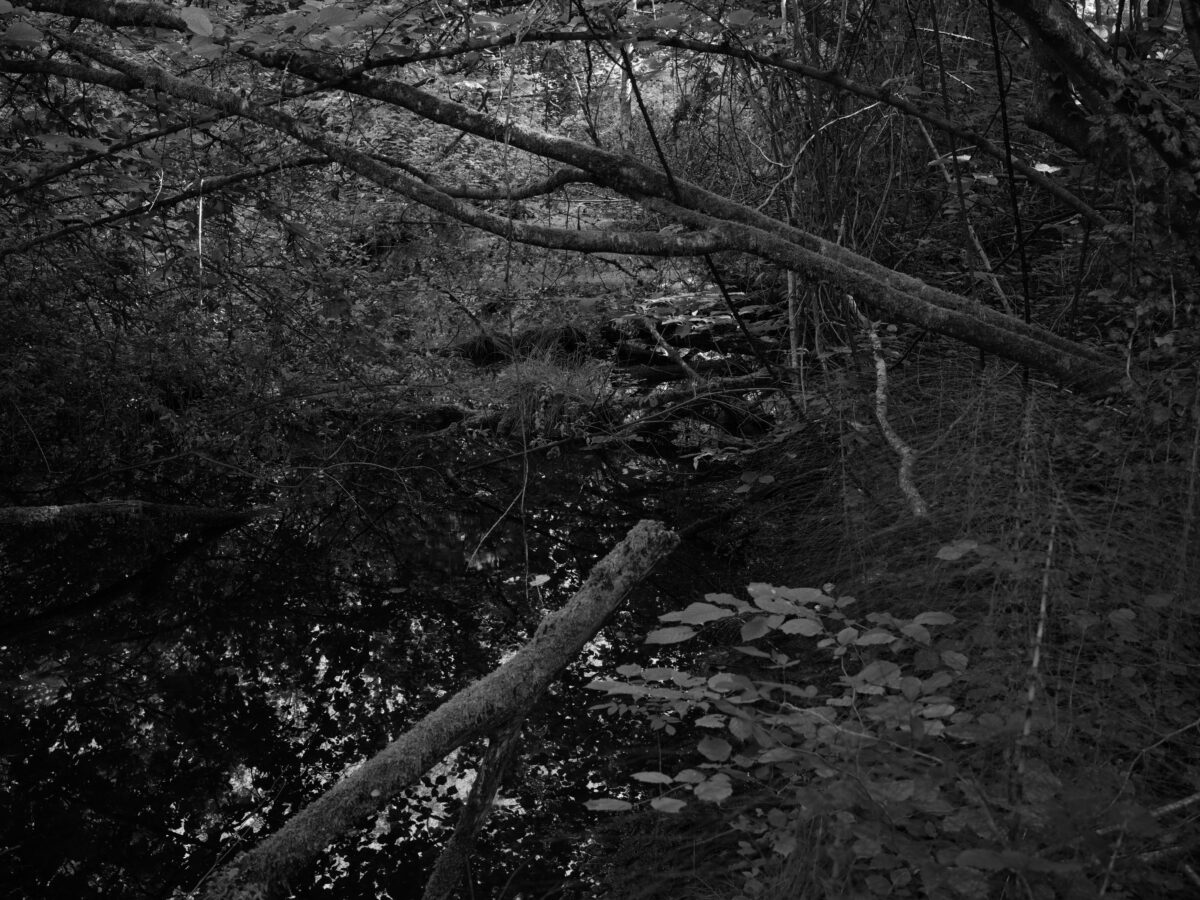
In this long-term project, Daniel Rihs reveals an economic system that treats the Earth as an inexhaustible supplier of standardizable, patentable raw materials. His expeditions have repeatedly taken him to Spain, for example to the highly industrialized vegetable production in the Extremadura region, but also to Hamburg, the Dutch province of Limburg, the Swiss cantons of Aargau and Thurgau, and the shores of Lake Murten.
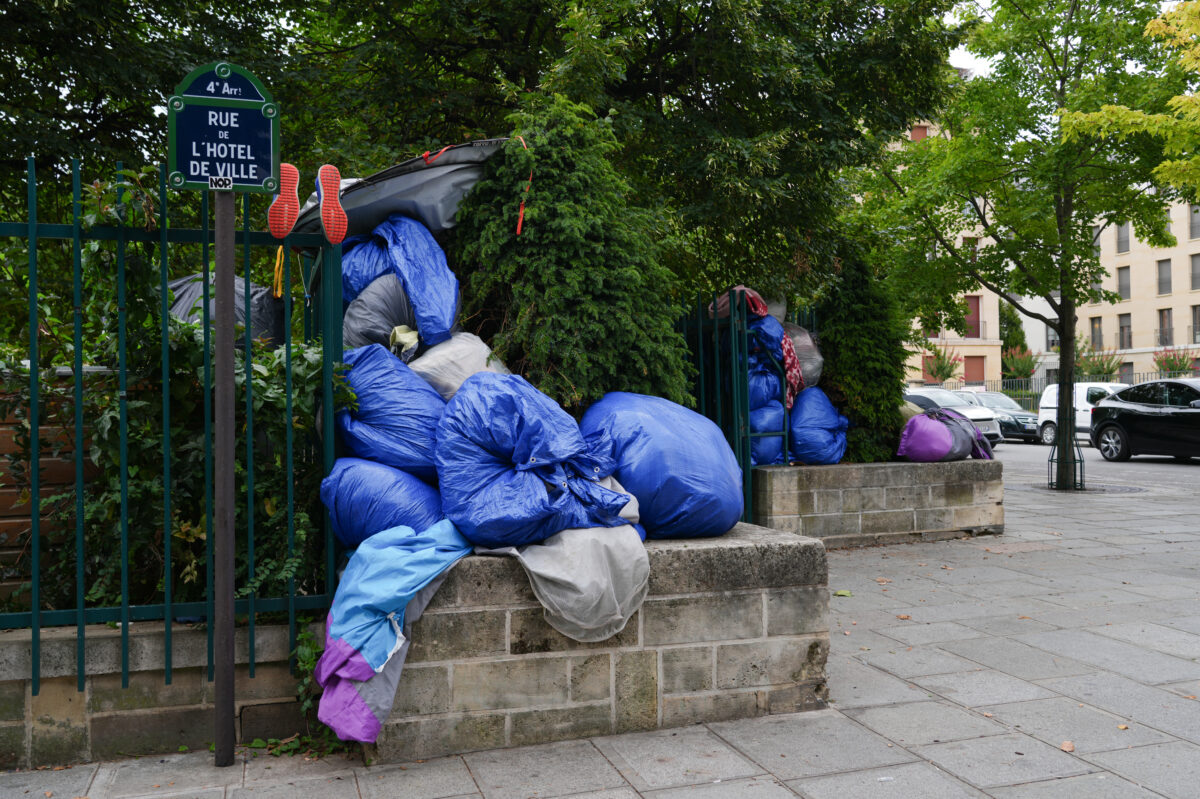
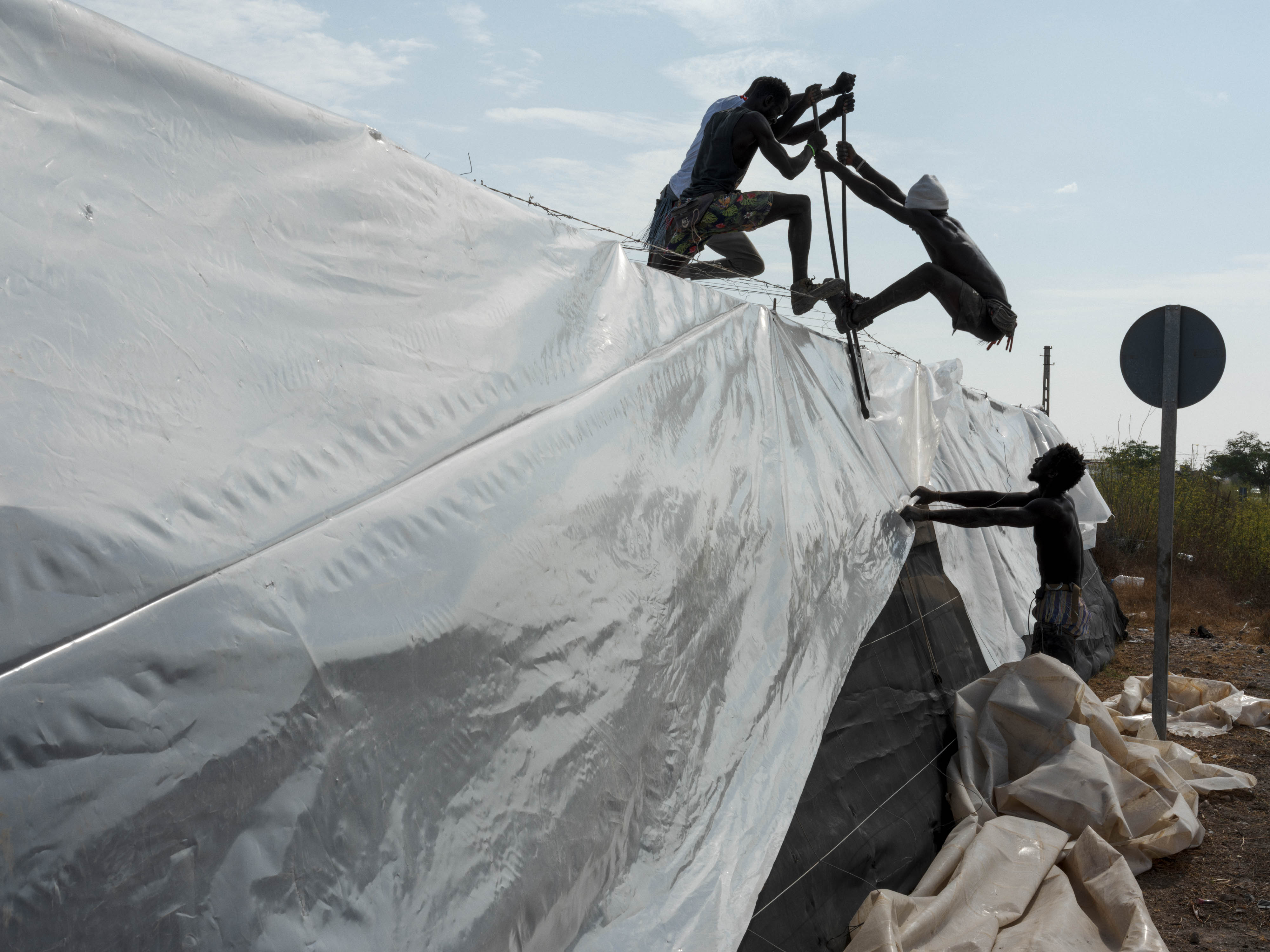
The ecological and social consequences of a deregulated agricultural sector are particularly evident in the Andalusian province of Almería. A sea of greenhouses shapes the landscape. Drought is a permanent condition, and water increasingly comes from desalinated seawater. Agriculture on such a scale is impossible without migrant labor. Many harvestworkers spend years working illegally, living in makeshift settlements without water or electricity and earning wages far below the legal minimum. Between the greenhouses lie the research centers of global agribusiness corporations. Patented seeds are a multi-billion-dollar business and lead to monocultures and dependency.
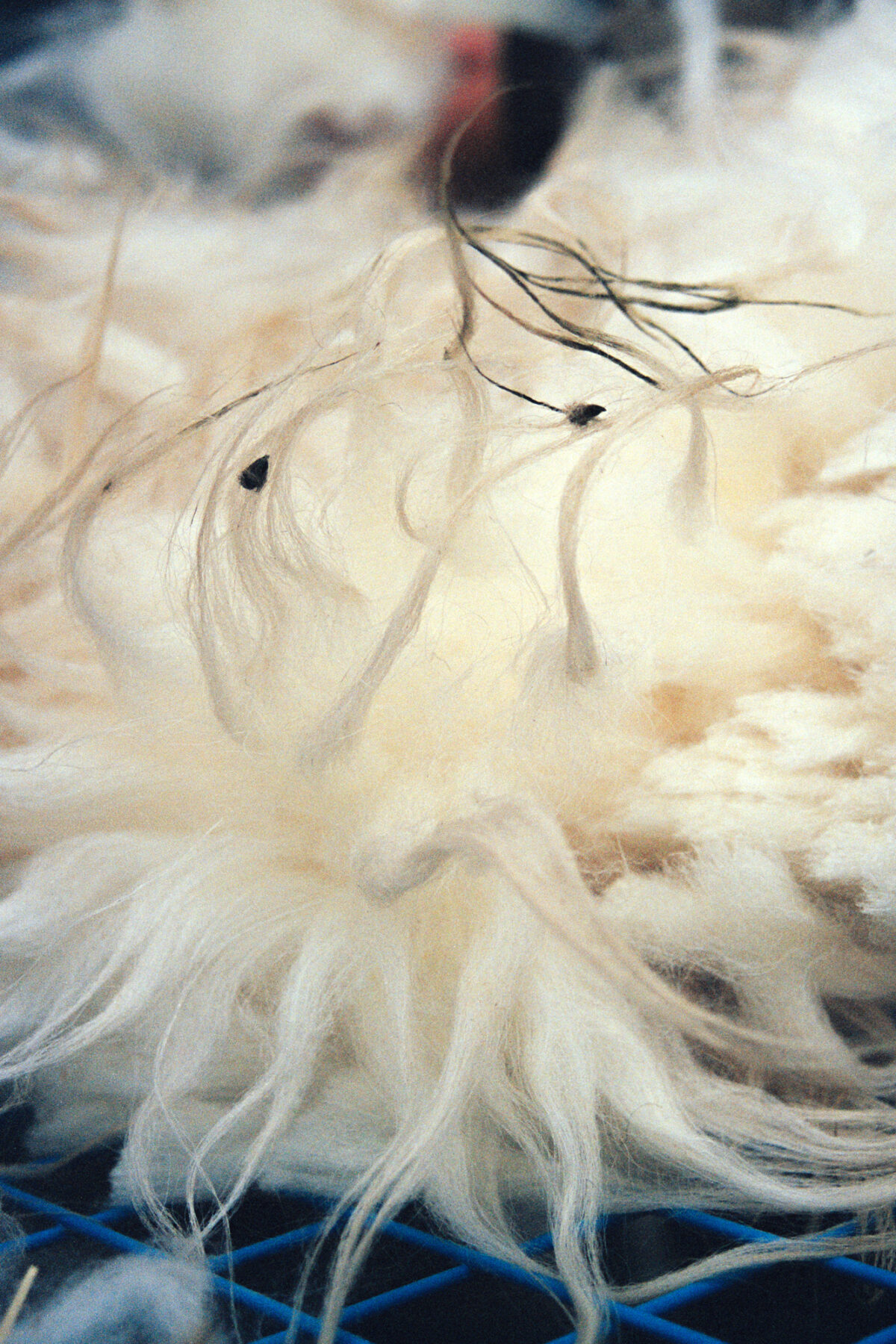
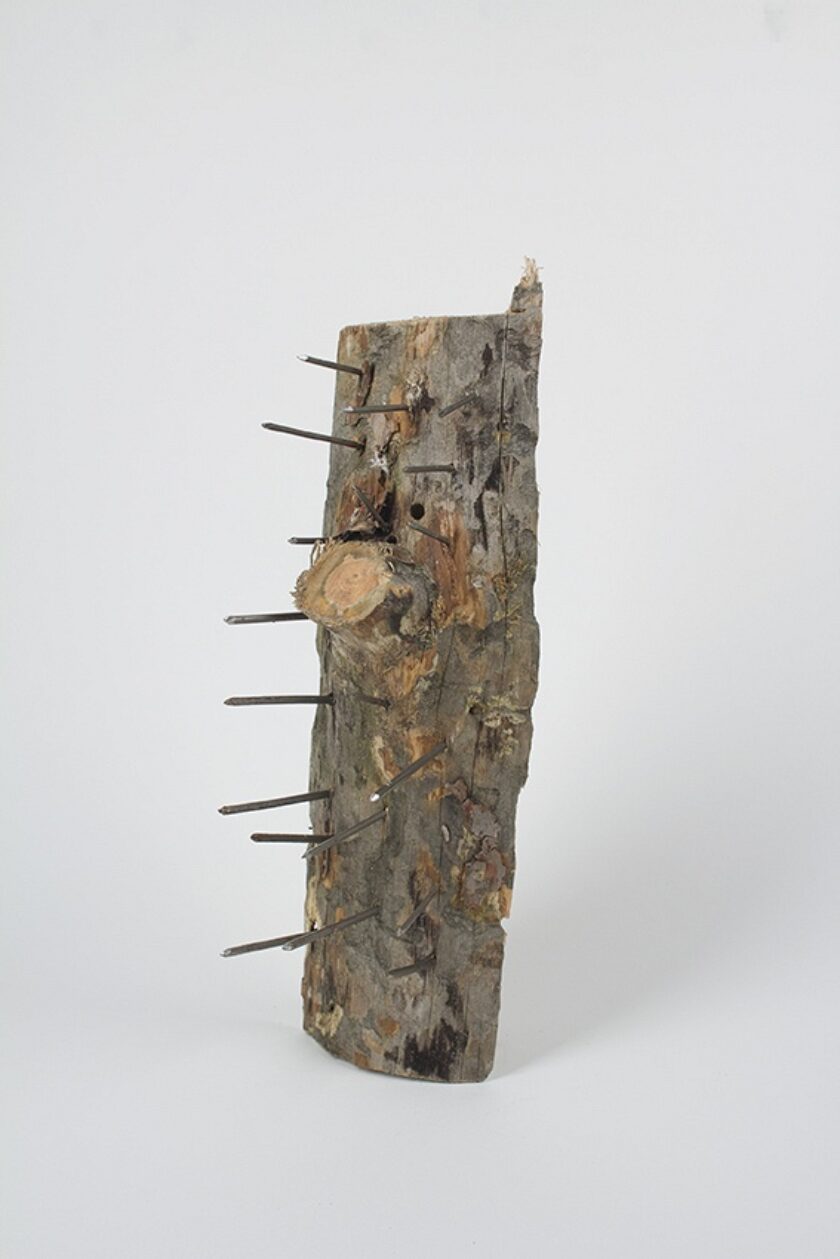
Daniel Rihs’s photographs do not accuse directly, but they shed light on the structural violence of global food production — from seed to the can of peeled tomatoes.
In 2023, Daniel Rihs received a travel grant from the Canton of Bern for his Tomato Travels project.
Year of production: 2021-2026
Watch the video interview with Daniel Rihs on our YouTube channel.
Gewölbe Galerie
Gewölbe Galerie
Rue Haute 4
2502 Biel/Bienne