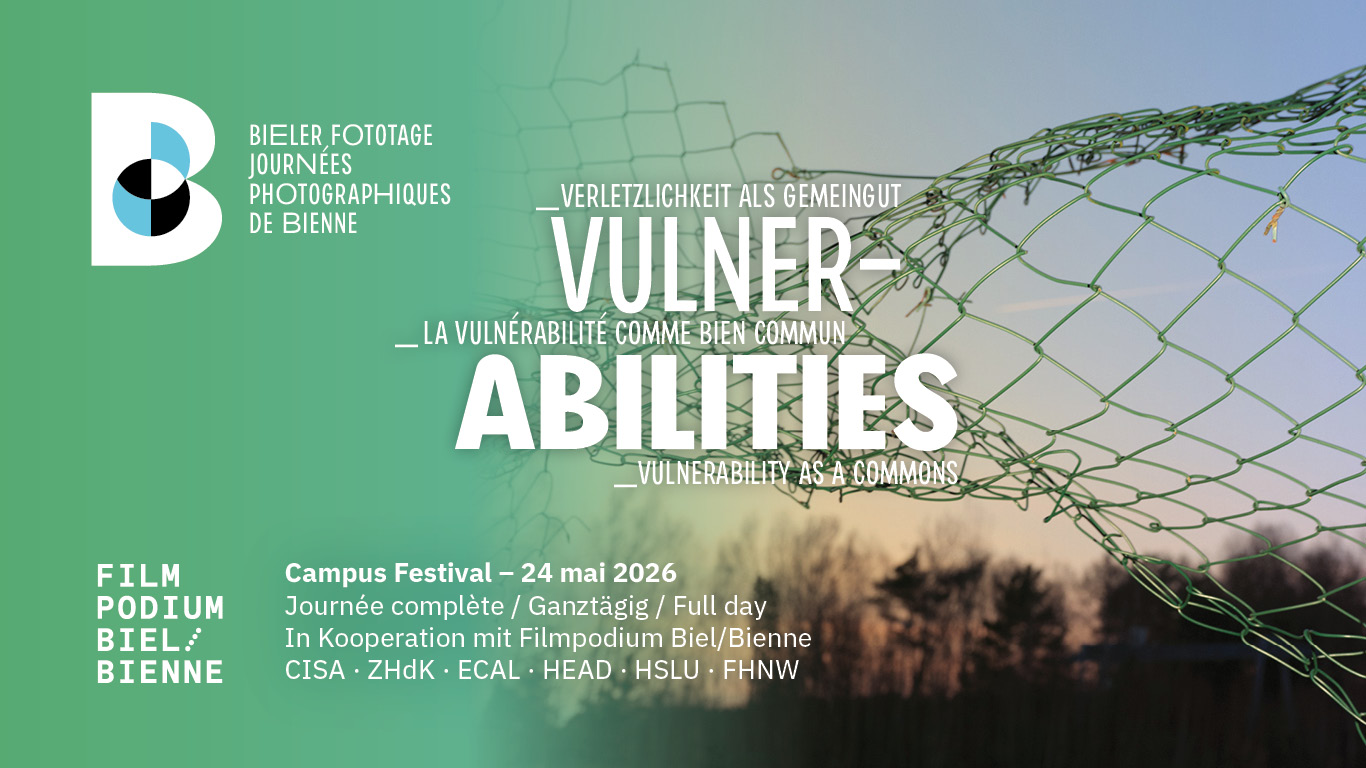
Campus Festival
Sunday 24 May 2026
Screening and discussion of a selection of 12 short films made by students at Swiss art colleges: ZHdK, FHNW, CISA, HSLU, HEAD, ECAL. This programme explores the moving image as an extension of contemporary photographic practices.
Workshop from 1.15 pm to 2.00 pm: “Vulnerabilities on set”. With Stéphane Kuthy, President, Swiss Cinematographers Society (SCS), and Andreas Struck, Filmpodium Biel/Bienne. Moderator: Virginie Borel, Director of the Forum on Bilingualism.
Download the Campus Festival flyer here: Campus Festival Vulnerabilities
From 23 April to 26 May 2026
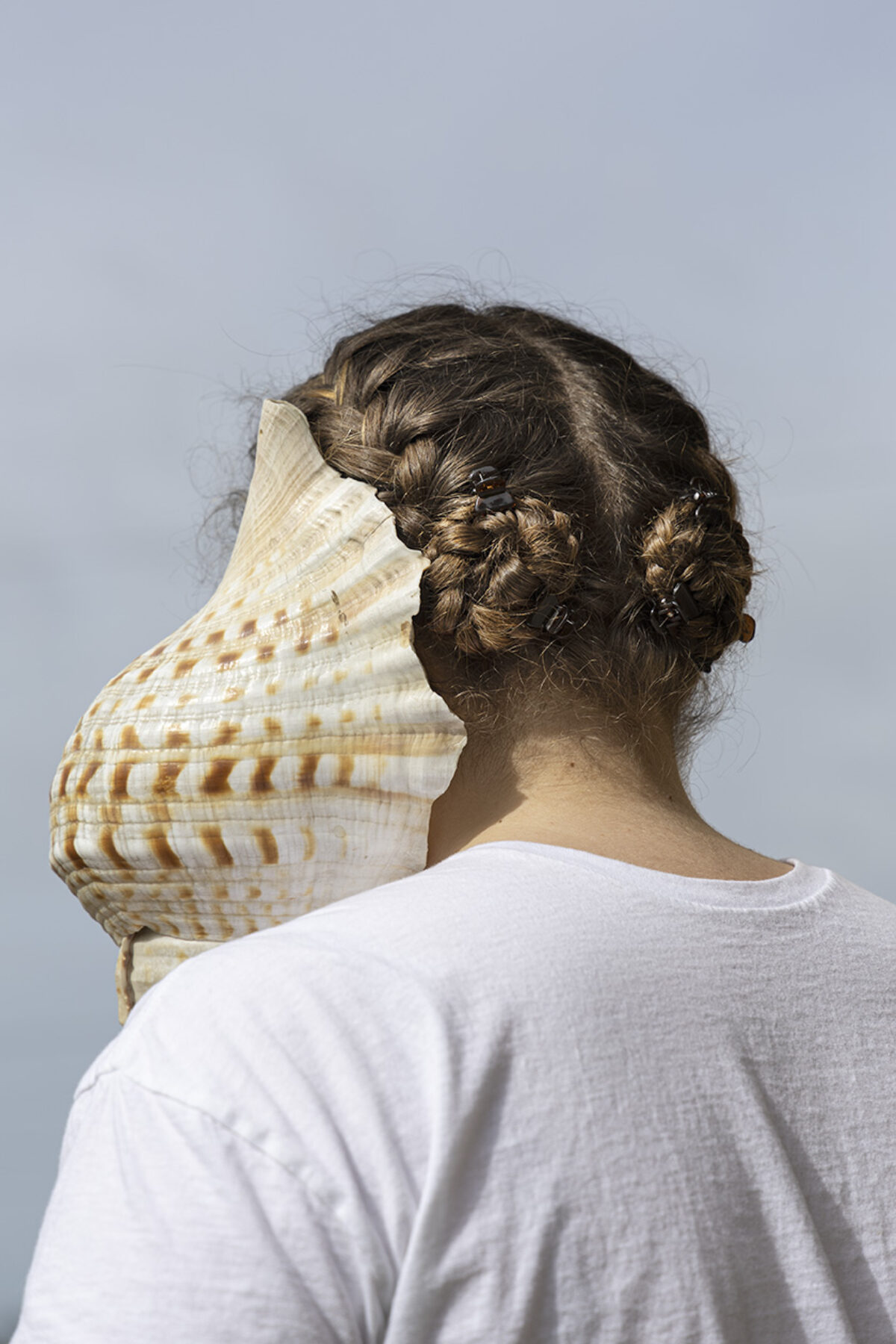
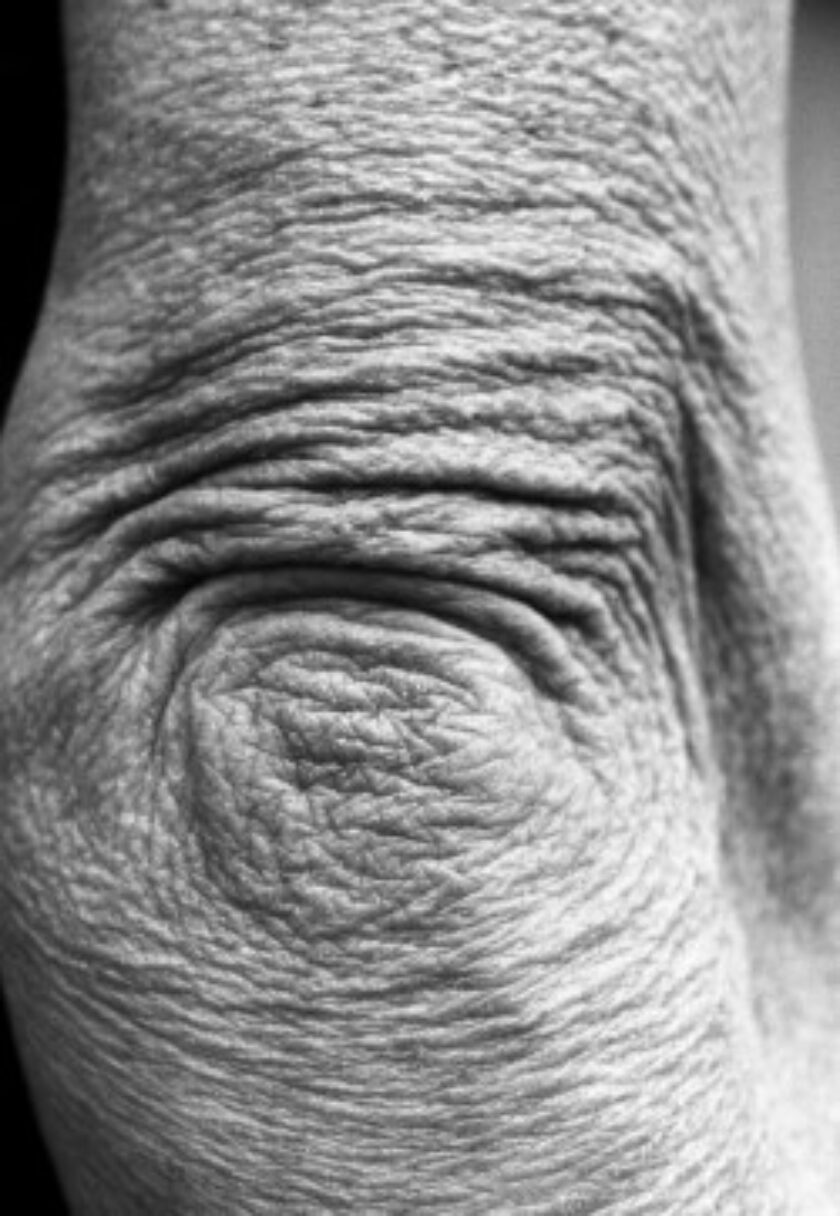
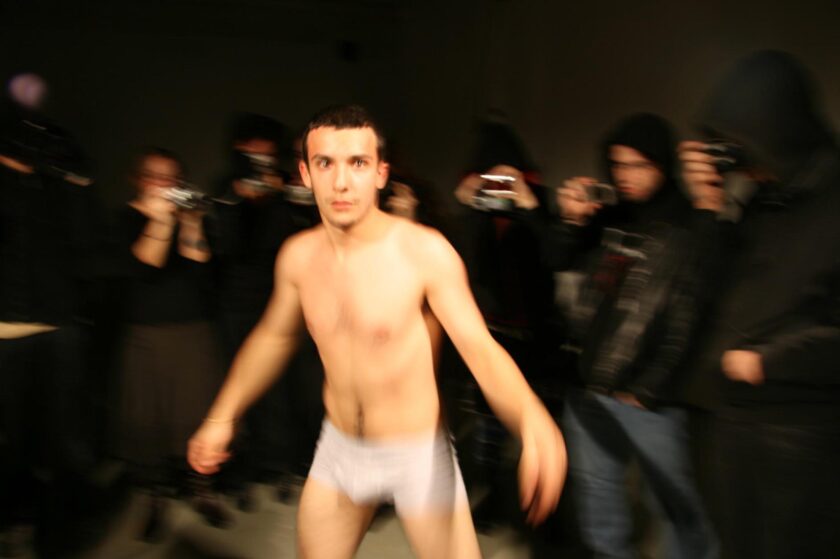
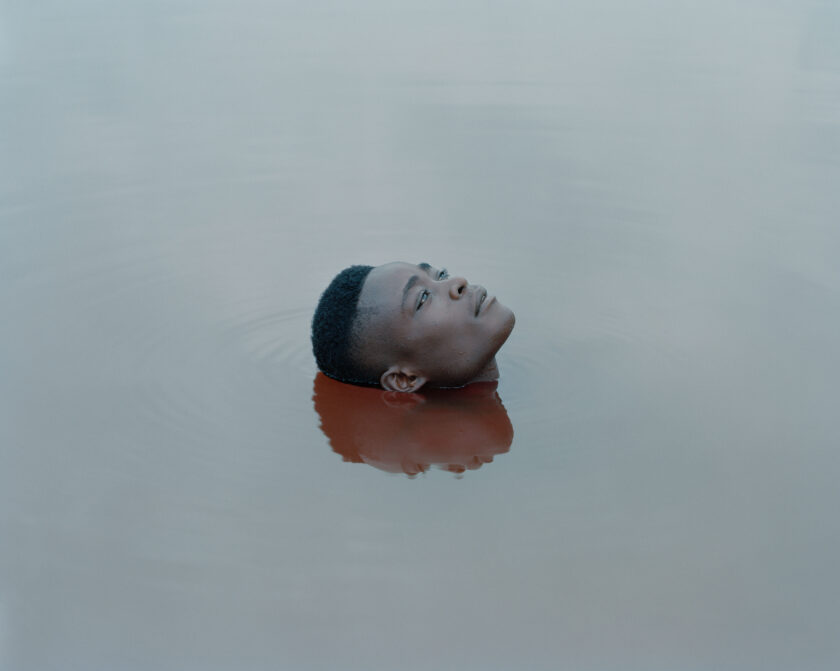
This film series, shown at Filmpodium Biel/Bienne, has been developed in collaboration with the Biel/Bienne Festival of Photography and echoes the theme of the festival’s 2026 edition (9–31 May): Vulnerability as a commons. Being seen is one of the most fundamental human needs, and can be a deeply moving experience: it affects not only the person being looked at, but also the one doing the looking. What happens when we find the courage to let down our masks and show ourselves as we truly are? When we acknowledge our uncertainties and fragilities, and through them new forms of mutual attention and care are woven? In this space of shared recognition, the need for protection and responsibility become a shared task; vulnerability is revealed as a collective experience, our common good.
“We’re all just walking each other home” as the spiritual teacher and psychologist Ram Dass reminds us. Major works such as Alfred Hitchcock’s Spellbound, John Cassavetes’ Love Streams, Jacques Audiard’s De rouille et d’os, and Clara Law’s The Goddess of 1967 each tell, in their own way, how lonely and disoriented individuals come to recognise their vulnerabilities as a shared struggle, transform them into sources of resilience, and thus experience a profound sense of closeness. These are all films that make us aware of our shared humanity.
Hong Sang-soo’s new feature film, What Does That Nature Say to You, explores how the family can function as a network of solidarity and, with care and kindness, model different ways of approaching life. Conversely, Los Domingos by Alauda Ruiz de Azúa powerfully links family tensions to the perspective of a teenage girl in a society gripped by a crisis of faith: just like the family, a monastery can be a refuge, or a place of heightened vulnerability. Finally, Yalla Parkour by Areeb Zuaiter shows how a film itself can become a space of memory and resistance: in the mid-2010s, young parkour athletes transform the ruins of Gaza into stages for sporting feats — laden with painful losses but also with dazzling energy.
The public is invited to draw connections between the films in this series and those at the festival, in order to explore new ways of seeing.